Zone X Flood Insurance Cost in Texas
8-minute read · Published July 30, 2026 · Reviewed by Mohammed Elkhalil, Texas License #2427360Quick Answer
Zone X flood insurance in Texas may cost roughly $400 to $900 per year for many homes, although some properties may cost less or substantially more. Zone X generally indicates moderate-to-lower mapped flood risk, but it does not mean the property cannot flood.
This is a broad educational range—not a statewide average or guaranteed quote. NFIP and private insurers also consider property location, distance to water, elevation, foundation, replacement cost, limits, deductibles, and prior losses.
Key Takeaways
- Zone X is outside FEMA's highest-risk Special Flood Hazard Area.
- Flood insurance is generally not federally required solely because of a Zone X designation.
- A lender may still require coverage.
- Zone X does not mean zero flood risk.
- Nearly one-third of recent NFIP claims came from outside current high-risk areas.
Zone X is one of the most common flood-zone designations in Texas. It generally applies to areas of moderate or minimal mapped flood hazard, including locations outside the 1%-annual-chance floodplain.
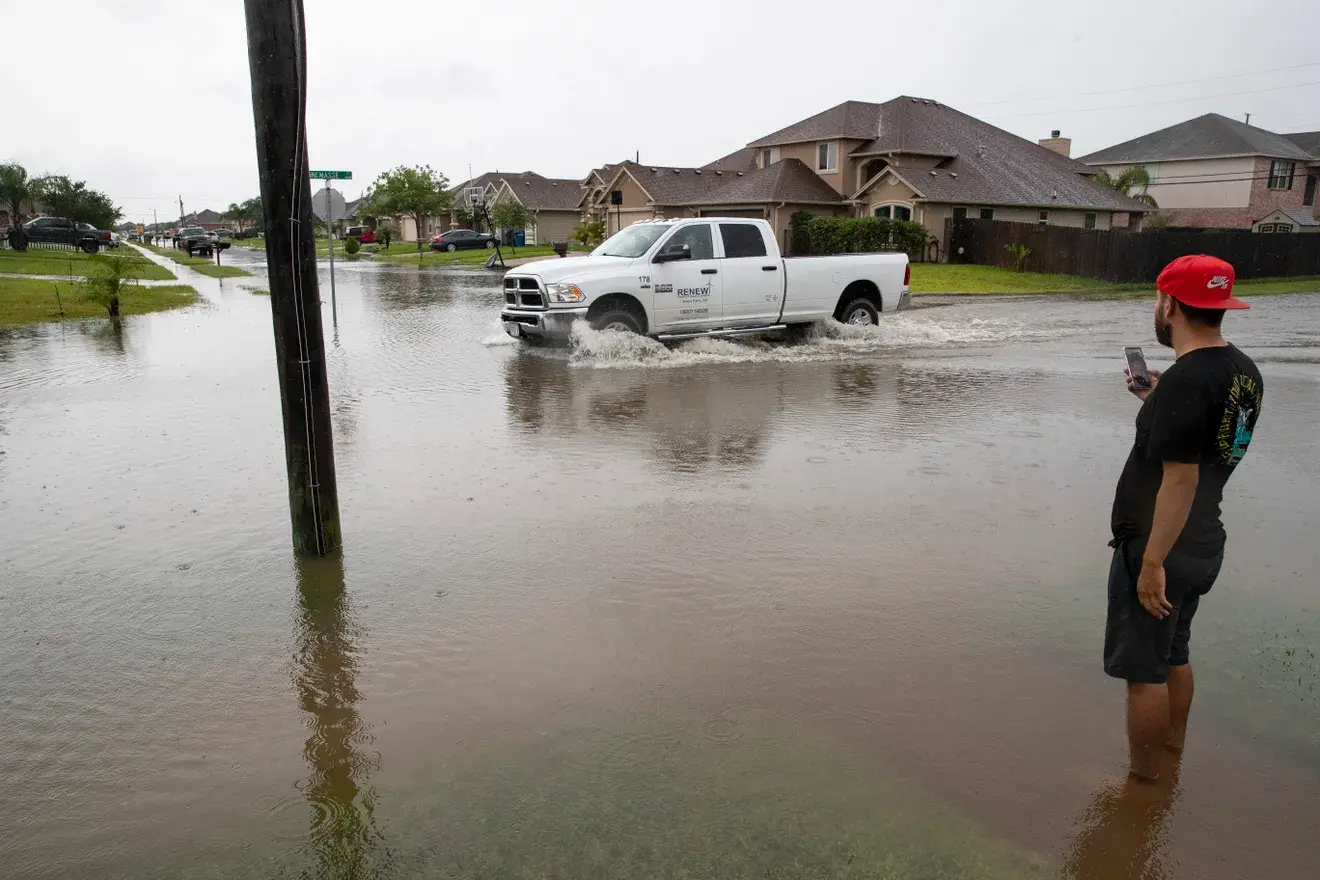
Many homeowners assume Zone X means flood insurance is unnecessary. That can be a costly misunderstanding because flash flooding, overwhelmed drainage systems, bayou overflow, new development, and extreme rainfall can affect properties outside mapped high-risk zones.
Estimated Zone X Flood Insurance Cost in Texas
| Zone X Property Profile | Broad Annual Estimate | Possible Cost Direction |
|---|---|---|
| Lower-risk property with moderate limits | $400–$650 | May fall toward the lower end |
| Typical Texas Zone X residence | $500–$900 | Common planning range, not a fixed rate |
| High-value, prior-loss, low-elevation, or water-adjacent property | $900+ | Can be substantially higher |
What Does FEMA Zone X Mean?
| Zone X Type | General Meaning |
|---|---|
| Unshaded Zone X | Area of minimal mapped flood hazard, generally outside the 0.2%-annual-chance floodplain |
| Shaded Zone X | Area of moderate mapped flood hazard, such as the 0.2%-annual-chance floodplain or certain shallow-flood areas |
Zone X is outside the Special Flood Hazard Area, but FEMA emphasizes that flood risk exists everywhere. Flood maps describe mapped risk; they do not guarantee that a property will remain dry.
Why Zone X Properties Still Flood
- Extreme rainfall and flash flooding
- Overwhelmed storm drains
- Bayou, creek, and river overflow
- New development that changes drainage
- Street and lot elevation differences
- Reservoir releases
- Outdated or changing flood maps
- Flooding from sources not fully reflected on the map
FloodSmart reports that nearly one-third of NFIP claims from 2014 through 2024 came from outside current high-risk flood areas.
Is Flood Insurance Required in Zone X?
Flood insurance is generally not federally required solely because a property is in Zone X. However, a mortgage lender may still require it under its own underwriting rules, loan agreement, or flood determination.
Homeowners without a lender requirement can still purchase NFIP or private flood insurance voluntarily.
Important
"Not required" does not mean "not needed." The decision should consider the property's actual drainage, elevation, claim history, proximity to water, and ability to absorb a major uninsured loss.
What Affects Zone X Flood Insurance Pricing?
- Distance to bayous, rivers, lakes, coastlines, and other flooding sources
- Ground elevation and first-floor height
- Foundation type
- Replacement cost
- Flood frequency and flood type
- Building and contents limits
- Deductibles
- Prior flood losses
- Community Rating System discounts
Flood zone and elevation relative to Base Flood Elevation are no longer the only factors used by the NFIP to set premiums.
NFIP vs. Private Flood Insurance in Zone X
| Feature | NFIP | Private Flood |
|---|---|---|
| Pricing | FEMA property-level pricing approach | Carrier-specific underwriting |
| Residential building limit | Generally up to $250,000 | May offer higher limits |
| Residential contents limit | Generally up to $100,000 | May offer higher limits |
| Additional living expense | Not included in the standard NFIP dwelling policy | May be available |
| Waiting period | Usually 30 days, with exceptions | Varies by carrier |
| Zone X availability | Generally available in participating communities | Often competitive, subject to underwriting |
Zone X vs. Zones A and AE
| Feature | Zone X | Zones A and AE |
|---|---|---|
| Mapped risk | Moderate to minimal | High risk |
| Special Flood Hazard Area | No | Yes |
| Federal mandatory-purchase rule | Generally does not apply based solely on the zone | Generally applies to federally regulated or insured mortgages |
| Typical cost direction | Often lower | Often higher |
| Flood risk | Still present | Higher mapped risk |
How Much Coverage Should a Zone X Homeowner Buy?
Coverage should be based on the financial exposure, not only the flood-zone designation. Consider:
- The cost to repair or rebuild the structure
- The value of furniture and personal property
- NFIP residential limits
- Whether additional living expense is needed
- Whether higher private or excess limits are appropriate
- The deductible amount you could afford after a flood
Houston Zone X Considerations
Houston-area Zone X properties may still face flooding from bayous, street drainage, heavy rainfall, reservoirs, and changing development patterns. Homes only a few blocks apart can have different elevations and drainage characteristics.
Read more: Do I Need Flood Insurance in Texas If I'm Not in a Flood Zone?
How to Lower Zone X Flood Insurance Cost
- Compare NFIP and private flood options.
- Verify property and construction information.
- Compare equal coverage limits and deductibles.
- Review whether contents and additional living expense are included.
- Consider higher deductibles only when affordable after a loss.
- Elevate utilities and protect openings where practical.
- Review available community discounts.
- Re-shop after map changes, mitigation, or major renovations.
Compare Zone X flood insurance options
TWFG Elkhalil Insurance can compare NFIP and available private flood options for Texas Zone X properties, including limits, deductibles, waiting periods, and lender requirements.
Request a Flood Insurance QuoteFrequently Asked Questions
How much does Zone X flood insurance cost in Texas?
Many Zone X properties may cost roughly $400 to $900 per year, although actual premiums can be lower or much higher depending on the individual property, limits, deductibles, and prior losses.
Is Zone X a no-risk flood zone?
No. Zone X generally indicates moderate or minimal mapped risk, but flooding can still occur.
Is flood insurance required in Zone X?
It is generally not federally required solely because of a Zone X designation, but a lender may still require coverage.
What is the difference between shaded and unshaded Zone X?
Shaded Zone X generally represents moderate mapped risk, while unshaded Zone X generally represents minimal mapped risk.
Can a Zone X home flood?
Yes. Heavy rainfall, drainage failures, bayou overflow, new development, and other conditions can flood properties outside high-risk zones.
Is private flood insurance cheaper in Zone X?
It may be, but not always. Private insurers use different underwriting models, so compare both markets using similar limits and deductibles.
Does homeowners insurance cover Zone X flooding?
Most homeowners policies do not cover rising water or surface flooding. Separate flood insurance is generally needed.
Official Sources
- NFIP: Flood-zone definitions
- NFIP: Flood risk outside high-risk areas
- NFIP: Policy pricing factors
- Texas Department of Insurance: Flood insurance
Published July 30, 2026. Flood maps, pricing, coverage, underwriting, lender requirements, and availability can change. Cost ranges are broad educational estimates and are not guaranteed quotes.