
What does it cover?
Commercial property insurance can help cover buildings, equipment, inventory, furniture, computers, tools, signage, and tenant improvements after covered losses such as fire, theft, vandalism, wind, and hail.
One fire, one hailstorm, one break-in — without the right coverage, any of these can shut your doors. We find the right policy and stand beside you when it matters most.
Quick answer
Commercial property insurance helps protect a Texas business's physical assets, including the building, business personal property, equipment, inventory, furniture, computers, tools, signage, and tenant improvements. It can help pay for covered losses caused by events such as fire, theft, vandalism, wind, hail, and certain storm-related damage.
This coverage is important for business owners, property owners, landlords, tenants, retailers, restaurants, offices, warehouses, contractors, and companies with equipment or inventory. In Texas, property coverage should be reviewed carefully because hail, wind, hurricanes, water damage exclusions, roof age, construction type, location, and lender requirements can all affect coverage and pricing.
Commercial property insurance is different from general liability insurance. Property insurance helps protect what your business owns or is responsible for, while general liability helps protect against third-party injury, property damage, and lawsuit claims.
TWFG Elkhalil Insurance is an independent Houston insurance agency helping Texas businesses compare commercial property insurance, understand lender or lease requirements, review coverage limits, and avoid gaps before a claim happens.
Commercial property insurance guide
Commercial property insurance should match what your business owns, leases, stores, improves, or depends on to operate. The right policy depends on your building, business personal property, location, lender or lease requirements, and Texas weather risks.
Commercial property insurance can help cover buildings, equipment, inventory, furniture, computers, tools, signage, and tenant improvements after covered losses such as fire, theft, vandalism, wind, and hail.
Property owners, landlords, retailers, restaurants, offices, warehouses, contractors, manufacturers, and tenants with equipment, inventory, furniture, or build-outs may need commercial property coverage.
Lenders, landlords, property managers, and lease agreements may require property coverage, specific limits, loss payee wording, mortgagee wording, or proof of coverage before financing or occupancy is approved.
Pricing can depend on location, construction type, roof age, building value, business personal property value, occupancy, protection class, prior claims, deductibles, coverage limits, and wind or hail exposure. You can also review our Texas insurance pricing guide.
Not every cause of loss is automatically covered. Flood, sewer backup, equipment breakdown, ordinance or law, tenant improvements, outdoor property, signs, and wind or hail deductibles should be reviewed carefully.
Business income coverage may help replace lost income if a covered property loss forces your business to temporarily close or operate at reduced capacity. This is important for businesses that depend on a physical location.
Commercial property helps protect your business property. General liability insurance helps protect against third-party injury, property damage, and lawsuit claims. Many businesses need both.
Smaller businesses may qualify for a Business Owners Policy that combines property and liability. Larger or higher-risk businesses may need a standalone commercial property policy.
TWFG Elkhalil Insurance helps Houston and Texas businesses compare property coverage, review limits, understand deductibles, and avoid gaps before a property claim happens.
Need commercial property insurance for a building, leased space, equipment, inventory, or lender requirement? We can help you compare options and understand what your policy should include.
Get a Quote
Covered vs. not covered: a practical guide to understanding your commercial property insurance before a claim happens.
Fire
Lightning
Theft
Vandalism
Business income/ loss of rent
Wind/Hail
Hurricane
Falling objects
Explosion
Debris removal
Flood (unless purchased)
Wear & tear
Intentional acts
Earthquake
Commercial Property FAQs
The details that determine whether your policy protects your building, equipment, inventory, income, and lease or lender requirements the way you expect.
For Texas businesses, the policy should be reviewed carefully because roof age, construction type, location, wind and hail exposure, deductibles, and property values can all affect how coverage responds after a claim.
This difference matters most for older roofs, HVAC systems, equipment, and aging buildings. ACV coverage may cost less upfront, but it can leave a larger out-of-pocket gap after a claim. Lenders may also require replacement cost coverage depending on the property and loan requirements.
For example, a 2% wind and hail deductible on a $1,000,000 building means the business may be responsible for the first $20,000 of a covered wind or hail claim. That is why it is important to understand the deductible structure before choosing a policy.
This is especially important for Houston and Texas businesses because heavy rain, drainage issues, hurricanes, and rising water can create losses that standard property insurance may not cover. If your business owns or leases property, flood exposure should be reviewed separately.
The key detail is that the shutdown usually has to be caused by a covered peril. If the cause of loss is excluded, business income coverage may not apply. Limits should be based on realistic income, expenses, and repair timelines.
If the building is underinsured, the policy may include a coinsurance penalty that reduces the claim payout. If it is overinsured, you may pay more premium than needed. TWFG Elkhalil Insurance helps Houston and Texas businesses review building values, property limits, and renewal changes so the policy better reflects current conditions.
Some smaller businesses may qualify for a Business Owners Policy, or BOP, which usually combines property and liability coverage into one package.
Texas businesses with wind, hail, hurricane, or higher fire exposure may see different pricing than lower-risk properties. You can review broader cost ranges on our Texas insurance pricing page.
Built for Texas property risk
Commercial property losses can affect more than the building. A fire, theft, hailstorm, wind loss, or major water damage event can interrupt operations, reduce rental income, damage inventory, and create unexpected repair costs.
TWFG Elkhalil Insurance helps Houston and Texas businesses review property values, deductibles, covered causes of loss, business income options, and lender or lease requirements before a claim happens.
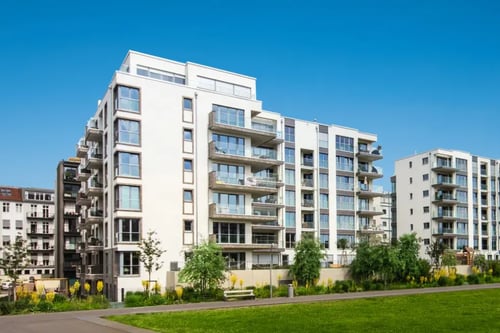
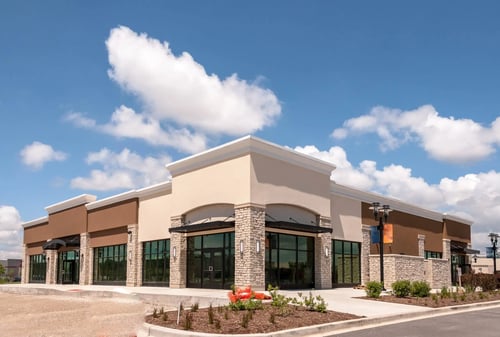
Apartments, offices, warehouses, retail centers, restaurants, contractors, and tenant spaces can have different risks. We help match coverage to the building, occupancy, construction type, roof age, location, and business personal property exposure.
Business income, rental value, and extra expense coverage may help protect cash flow if a covered property loss forces your business or rental property to temporarily close or operate at reduced capacity.
Lenders, landlords, and property managers may require specific limits, loss payee wording, mortgagee wording, or proof of coverage. We help you understand those requirements and request a certificate of insurance when coverage is in place.
Commercial property insurance protects business property, but many Texas businesses also need general liability insurance, a Business Owners Policy, commercial auto, or workers compensation depending on the operation.

"Great agent and easy to work with. Highly recommend."
Related commercial property guides
These Texas business insurance guides explain what affects commercial property insurance cost, when a Business Owners Policy may make sense, and what can happen when a business operates without proper coverage.
Property insurance cost
Learn what affects commercial property pricing, including building value, business personal property, location, roof age, construction type, deductibles, and wind or hail exposure.
Read the property cost guide →
BOP and property coverage
A Business Owners Policy may combine commercial property and general liability into one package. Learn when a BOP can be a practical option for smaller Texas businesses.
Read the BOP cost guide →
Uninsured business risk
Learn how fire, theft, hail, lawsuits, lease requirements, and uncovered property losses can create serious financial problems for uninsured Texas businesses.
Learn about uninsured business risk →
Built for long-term owners who value risk planning, protection, and financial stability. Hit Get a Quote, fill out the form, and one of our brokers will reach out.