


Employee injuries
Workers compensation can help respond when an employee is injured on the job. It is different from general liability insurance, which is mainly for third-party injury or property damage claims.
Workers' compensation pays for medical care, lost wages, and rehabilitation when an employee is hurt on the job. It also protects your business from the lawsuits that workplace injuries often trigger. For any Texas business with employees in the field, on a job site, or working around equipment — it's not optional in practice, even though Texas doesn't legally require it.
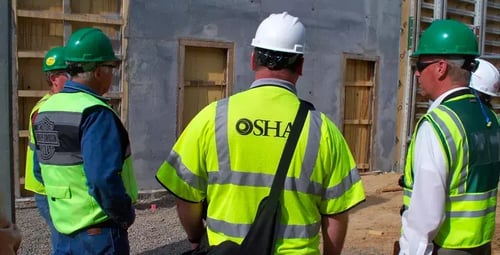
But most brokers stop there. We don't. We work with your business to reduce the frequency of claims before they happen — building OSHA-compliant safety programs, Return to Work plans, and loss prevention strategies that make your workforce safer and your premiums lower. Fewer claims means a lower experience modifier, which means a lower cost of risk year over year.
While you may think Texas is a state where workers comp isn't required, not having it still leaves your business completely exposed. Here are a few coverages to keep in mind when thinking of getting workers comp:
 Medical treatment
Lost wages
Rehab and return-to-work support
Coverage if you're involved in a hit-and-run
Work-related injuries
Injuries tied to machinery
Defense support
Medical treatment
Lost wages
Rehab and return-to-work support
Coverage if you're involved in a hit-and-run
Work-related injuries
Injuries tied to machinery
Defense support
 Intentional self-inflicted injuries
Off-the-clock injuries
OSHA fines/penalties
Injuries that should be covered under a different entity (wrong payroll)
Intentional self-inflicted injuries
Off-the-clock injuries
OSHA fines/penalties
Injuries that should be covered under a different entity (wrong payroll)

Nobody wants a claim. The best comp program reduces injuries before they happen and responds fast when they do.
Learn more about our risk management services →
We help you implement practical tools: onboarding checklists and safety benchmarks — simple systems that actually get used.
Better documentation means fewer repeat incidents and smoother claim handling. We help you build a clean safety narrative that underwriters respect — training logs, written programs, incident response plans, and role clarity.
The fastest way to stabilize workers' comp costs is controlling the duration of claims. We help you structure light-duty options, reporting workflows, and supervisor playbooks that support recovery and reduce long claim tails.

Learn how workers compensation, contractor requirements, risk management, MOD reviews, claims strategy, and certificates of insurance connect before you choose coverage or send proof of insurance.

Get a quote — and let's build a program that protects your team, strengthens compliance, and drives better costs.