Rental Property Flood Insurance in Texas
9-minute read · Published July 31, 2026 · Reviewed by Mohammed Elkhalil, Texas License #2427360Quick Answer
Rental property flood insurance can protect a Texas landlord's building and eligible landlord-owned contents from covered flood damage. The tenant's belongings are not covered by the landlord's policy. Standard NFIP coverage also does not include lost rental income or additional living expense, although some private flood policies may offer those options.
Coverage depends on occupancy, policy form, limits, deductibles, flood zone, lender requirements, and insurer underwriting.
Key Takeaways
- Landlords need building coverage for the rental structure.
- Landlord-owned appliances and furnishings may require contents coverage.
- Tenants must insure their own belongings separately.
- Standard NFIP coverage does not include lost rental income.
- Private flood insurance may offer broader landlord options.
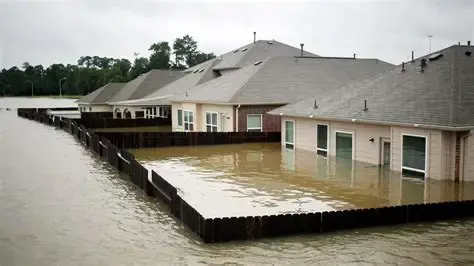
Flood damage is generally excluded from standard landlord and dwelling-fire policies. A separate flood policy is usually needed to protect a rental property from rising water, surface flooding, storm surge, and other covered flood events.
The right policy depends on whether the property is a single-family rental, duplex, small multifamily building, larger apartment building, short-term rental, or mixed-use property.
What Does Rental Property Flood Insurance Cover?
| Coverage Type | What It May Protect |
|---|---|
| Building coverage | The rental structure, foundation, electrical and plumbing systems, HVAC, built-in appliances, and eligible permanently installed fixtures |
| Landlord contents coverage | Eligible landlord-owned furniture, appliances, maintenance equipment, and other property inside the insured building |
| Tenant contents coverage | The tenant's personal belongings under a separate tenant policy |
| Loss of rent | Not included in standard NFIP coverage; may be available privately |
Building Coverage for Landlords
Building coverage may include eligible:
- Foundation elements
- Electrical and plumbing systems
- Central air-conditioning equipment
- Furnaces and water heaters
- Built-in appliances
- Permanently installed cabinets and fixtures
- Detached garages, subject to policy limitations
- Debris removal for covered property
Landlord-Owned Contents
A landlord may need contents coverage when the rental includes:
- Refrigerators or portable appliances
- Washers and dryers
- Furniture in a furnished rental
- Maintenance tools or equipment
- Window air-conditioning units
- Other eligible landlord-owned property
Building coverage does not automatically insure every item owned by the landlord.
Does the Landlord's Flood Policy Cover the Tenant's Belongings?
No. A landlord's flood policy protects the landlord's insured building and eligible landlord-owned property. It does not cover the tenant's furniture, clothing, electronics, appliances, or other personal belongings.
Important
Tenants should purchase their own contents flood insurance. Standard renters insurance generally does not cover rising water or surface flooding.
Does Flood Insurance Cover Lost Rental Income?
The standard NFIP policy does not include business-income or loss-of-rents coverage. If the property becomes uninhabitable after a covered flood, NFIP generally does not reimburse the landlord for missed rent.
Some private flood insurers may offer:
- Loss-of-rents coverage
- Business-income coverage
- Extra-expense coverage
- Additional living expense for an owner-occupied portion
These options vary significantly by carrier and occupancy type.
NFIP Limits for Rental Properties
| Rental Property Type | General NFIP Building Limit | General Contents Limit |
|---|---|---|
| One- to four-family residential rental | Generally up to $250,000 | Generally up to $100,000 |
| Other residential building | Generally up to $500,000 | Generally up to $100,000 |
| Non-residential or mixed-use building | Generally up to $500,000 | Generally up to $500,000 |
The correct classification depends on occupancy, residential percentage, building use, policy form, and current NFIP rules.
Single-Family Rental vs. Multifamily Property
| Property Type | Coverage Consideration |
|---|---|
| Single-family rental | Often insured under a residential flood form with landlord occupancy classification |
| Duplex, triplex, or fourplex | May qualify as a one- to four-family residential building |
| Five or more residential units | May use a different NFIP form and higher building limit |
| Mixed-use property | Requires careful review of residential and commercial use |
Short-Term Rentals and Vacation Rentals
Short-term rentals may require additional underwriting because the occupancy differs from a traditional annual lease. Review:
- How often the property is rented
- Whether the owner occupies it part of the year
- Whether the policy permits short-term rental use
- Whether furnishings need contents coverage
- Whether business-income coverage is available
- Whether the lender has occupancy restrictions
Is Flood Insurance Required for a Rental Property?
Flood insurance is generally required when the rental building is located in a Special Flood Hazard Area and secures a federally regulated, supervised, or insured mortgage.
Zones A, AE, and VE commonly trigger the requirement. Zone X usually does not trigger the federal rule by itself, although the lender may still require coverage.
How Much Rental Property Flood Insurance Do You Need?
A landlord should consider:
- The building's repair or rebuilding exposure
- The lender's required limit
- The value of landlord-owned contents
- NFIP maximum limits
- Whether excess flood insurance is needed
- Potential lost rental income
- The deductible amount the landlord can absorb
- Whether private coverage offers broader protection
Replacement Cost vs. Actual Cash Value
Non-owner-occupied residential buildings may not receive the same replacement-cost treatment as an eligible owner-occupied primary residence under NFIP rules. Settlement may depend on occupancy, policy form, insurance-to-value requirements, and current NFIP provisions.
Private flood policies may offer different valuation terms. Confirm whether covered building and contents losses are settled at replacement cost or actual cash value.
Private Flood Insurance for Rental Properties
Private flood insurance may offer:
- Building limits above NFIP maximums
- Higher landlord contents limits
- Loss-of-rents coverage
- Shorter waiting periods
- Broader other-structures coverage
- One policy for higher-value rental properties
Private carriers may also restrict properties with prior flood claims, coastal exposure, low elevation, older construction, or short-term rental occupancy.
How Much Does Rental Property Flood Insurance Cost?
| Rental Property Profile | Broad Annual Planning Range |
|---|---|
| Lower-risk Zone X single-family rental | $400–$1,000 |
| Typical Texas rental property | $700–$1,800 |
| Higher-risk Zone A or AE rental | $1,000–$3,500+ |
| Coastal, prior-loss, multifamily, or high-value property | $2,000–$6,000+ or unavailable |
These are broad educational estimates—not statewide averages or guaranteed quotes. Actual pricing depends on property-specific underwriting.
What Affects the Cost?
- Flood zone
- Distance to water
- Elevation and first-floor height
- Foundation type
- Building age and construction
- Number of units
- Replacement cost
- Prior flood losses
- Occupancy and rental use
- Building and contents limits
- Deductibles
- Loss-of-rents coverage
Common Landlord Flood Coverage Gaps
- No coverage for lost rental income
- Landlord contents not included
- NFIP building limit below rebuilding cost
- Tenant belongings mistakenly assumed covered
- Basement or below-elevated-floor restrictions
- Detached structures not fully insured
- Short-term rental occupancy not disclosed
- Deductibles higher than expected
- Waiting period not considered
Landlord Flood Insurance Checklist
- Confirm the rental occupancy and number of units.
- Estimate the building's rebuilding exposure.
- List landlord-owned appliances and furnishings.
- Review lender requirements.
- Compare NFIP and private flood options.
- Review loss-of-rents coverage.
- Check valuation and deductible terms.
- Confirm basement and elevated-building restrictions.
- Require tenants to consider contents flood insurance.
- Revisit coverage after renovations or occupancy changes.
Protect your Texas rental property from flood damage
TWFG Elkhalil Insurance can compare NFIP and available private flood options for single-family rentals, multifamily buildings, and landlord-owned contents.
Request a Flood Insurance QuoteFrequently Asked Questions
Does landlord insurance cover flood damage?
Standard landlord and dwelling-fire policies generally do not cover rising water or surface flooding. Separate flood insurance is usually needed.
Does rental property flood insurance cover the tenant's belongings?
No. The tenant must purchase separate contents flood insurance for furniture, clothing, electronics, and other belongings.
Does NFIP cover lost rental income?
No. Standard NFIP coverage does not include loss-of-rents or business-income coverage. Some private policies may offer it.
How much flood insurance does a landlord need?
Consider the building's rebuilding exposure, lender requirement, landlord-owned contents, deductibles, NFIP maximums, and potential need for private or excess coverage.
Is flood insurance required for a rental property?
It is generally required when a financed rental building is in a Special Flood Hazard Area and the mortgage is subject to the federal mandatory-purchase rule.
Can private flood insurance cover a rental property?
Yes, subject to carrier underwriting. Private policies may offer higher limits, landlord contents coverage, and loss-of-rents options.
Can tenants buy flood insurance?
Yes. Tenants may purchase contents-only flood insurance through NFIP or available private markets.
Does flood insurance cover furnished rental property?
Eligible landlord-owned furnishings may be covered when contents coverage is purchased, subject to policy terms, limits, and exclusions.
Official Sources
- National Flood Insurance Program: Building and contents coverage
- National Flood Insurance Program: Policy limits and pricing factors
- FEMA: Answers to questions about the NFIP
- National Flood Insurance Program: Flood insurance for renters
- Texas Department of Insurance: Flood insurance for renters
- Texas Department of Insurance: Private flood options
Published July 31, 2026. Rental occupancy classifications, flood policy forms, limits, valuation, deductibles, lender requirements, waiting periods, underwriting, and availability can change. Coverage depends on the actual policy.