Workers Compensation for Contractors in Texas: What Business Owners Should Know
Learn what Texas contractors should know about workers compensation, employee injuries, job-site requirements, subcontractors, contracts, and business insurance.
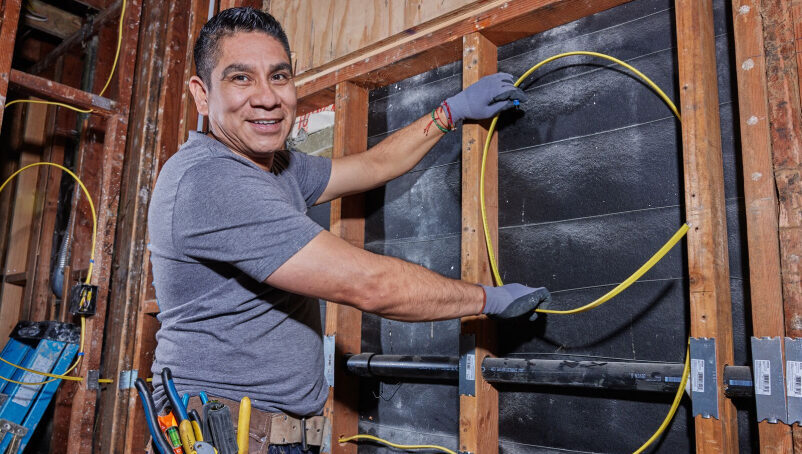
Workers compensation is one of the most important coverages for contractors with employees, crews, or job-site exposure. Even when a Texas contractor is not legally required to carry workers compensation in every situation, contracts, general contractors, clients, and certain projects may still require proof of coverage before work begins.
For contractors, workers compensation is not just about checking a box. It affects employee injury claims, job-site requirements, contract approval, claims history, experience mod impact, and how your business is viewed by insurance carriers.
This guide explains what Texas contractors should know about workers compensation, how it connects to contractor insurance, and why prevention and claim control matter over the long term.
Quick answer: Texas does not require most private employers to carry workers compensation, but contractors may still need it because of contracts, general contractor requirements, government projects, job-site rules, employee injury exposure, and long-term risk management strategy.
What is workers compensation insurance?
Workers compensation insurance helps provide benefits when an employee is injured or becomes ill because of their job. Depending on the claim, it may help pay for medical care, a portion of lost wages, and certain benefits connected to a work-related injury or illness.
For contractors, workers compensation can be especially important because job-site work often involves physical labor, tools, ladders, vehicles, materials, equipment, heat exposure, and other conditions that can increase injury risk.
Workers compensation is different from general liability insurance. General liability is mainly for third-party claims, such as customer injuries or property damage. Workers compensation is for employee injuries connected to work.
Is workers compensation required for contractors in Texas?
Texas is different from many other states. Most private employers in Texas can choose whether to carry workers compensation insurance. However, that does not mean contractors should ignore it.
Contractors may still need workers compensation when:
- A general contractor requires it before allowing work to begin
- A client requires it in a contract
- A job site requires proof of coverage
- The contractor works on certain government or public projects
- The business has employees or crews with injury exposure
- The company wants a stronger risk management and claims strategy
In other words, workers comp may not always be required by state law for every private employer, but it may still be required by the jobs, contracts, and clients your business wants to work with.
Why contractors should take workers compensation seriously
Contractor businesses often have more employee injury exposure than office-based businesses. Employees may work on ladders, roofs, job sites, unfinished structures, around equipment, inside customer homes, in hot conditions, or around vehicles and materials.
A serious employee injury can create more than a medical issue. It can create lost time, claim disputes, project delays, higher future costs, and stress for the business owner.
For contractors, workers compensation should be viewed as part of a broader insurance and risk management strategy — not just another line item on a certificate.
Does general liability cover employee injuries?
No. General liability does not replace workers compensation.
A general liability policy is usually designed to respond to third-party bodily injury or property damage claims. That may include customers, visitors, property owners, vendors, or others outside your business.
Employee injuries are handled differently. If an employee gets hurt on the job, that is where workers compensation may apply if the business carries coverage.
This is one reason contractors are often asked to show both general liability and workers compensation on a certificate of insurance.
Why contracts often require workers compensation
General contractors, project owners, property managers, and clients often want subcontractors to carry workers compensation because they do not want employee injury risk creating problems on the project.
A contract may require workers compensation even if Texas law does not require your specific business to carry it in every situation.
Common contract requirements may include:
- Proof of workers compensation coverage
- Employer's liability limits
- Waiver of subrogation wording
- Certificate holder information
- Coverage applying to the specific job or project
- Coverage for employees working on the project
If your policy does not match the contract requirement, the certificate may be rejected, the job may be delayed, or you may need to adjust your coverage before work begins.
Workers compensation and certificates of insurance
Contractors are often asked for a certificate of insurance, also called a COI, before starting a job. A COI may show general liability, workers compensation, commercial auto, umbrella coverage, and other policies required by the contract.
The important thing to remember is that a COI is proof of coverage. It does not create coverage or change the policy by itself.
If the contract requires workers compensation and your business does not carry it, the certificate cannot simply add that coverage. You may need to apply for workers compensation coverage first.
For a deeper breakdown, read our guide on certificates of insurance for contracts, leases, and job sites in Texas.
Workers compensation and subcontractors
Subcontractor relationships can create confusion around workers compensation. A subcontractor should not automatically assume they are covered by the general contractor's workers compensation policy.
In many situations, subcontractors are expected to carry their own insurance. General contractors may require subcontractors to provide proof of workers compensation, general liability, commercial auto, and other coverage before allowing work to begin.
If your business hires subcontractors, you may also need a process for collecting and reviewing certificates of insurance. This helps confirm subcontractors have the required coverage and helps protect your own insurance program from avoidable problems.
For a broader overview, read our guide on Texas contractor insurance requirements.
What is employer's liability coverage?
Workers compensation policies often include employer's liability coverage. This coverage can help protect the business if an employee injury leads to certain types of lawsuits that are not handled only through standard workers compensation benefits.
Contracts may request specific employer's liability limits. This is why it is important to review the insurance section of a contract carefully before assuming your current policy satisfies the requirement.
If you are a contractor bidding jobs, signing subcontractor agreements, or working with commercial clients, employer's liability limits may be part of the certificate request.
What is a waiver of subrogation?
A waiver of subrogation is a contract-related insurance requirement that may prevent the insurance carrier from seeking recovery from another party after paying a claim, depending on the policy terms and endorsement.
Contractors may see waiver of subrogation requests on workers compensation, general liability, or commercial auto requirements.
This is not just simple certificate wording. It may require an endorsement and carrier approval. If your contract asks for waiver of subrogation, you should review it with your insurance broker before agreeing.
What affects workers compensation cost for contractors?
Workers compensation cost can depend on several factors, including your trade, payroll, classification codes, claims history, experience modification factor, safety practices, and how your business is structured.
Contractors with higher-risk operations, more payroll, frequent claims, or poor documentation may face higher costs or tougher underwriting conversations.
Factors that may affect workers compensation pricing include:
- Type of contracting work performed
- Employee payroll
- Classification codes
- Claims history
- Experience modification factor, often called a MOD
- Safety practices and training
- Return-to-work process
- Use of subcontractors
- Accuracy of payroll and job descriptions
This is why workers compensation should not be treated as a simple quote. A better long-term strategy looks at both the insurance policy and the operational drivers behind the cost.
What is an experience MOD?
An experience modification factor, often called an experience MOD, is a number used in workers compensation pricing that reflects a business's claim experience compared to similar businesses.
A higher MOD can increase workers compensation cost. A better claims history and stronger safety performance may help support better long-term results.
For contractors, MOD reviews matter because one or two claims can affect future pricing and renewal conversations. Reviewing claim drivers, loss trends, payroll accuracy, and safety procedures can help identify where the business may be able to improve.
How claim reduction can help control long-term cost
One of the strongest ways to manage workers compensation over time is to reduce preventable claims.
That means focusing on:
- Safety orientation for new employees
- Job-site safety checklists
- Driver and vehicle safety controls
- Tool and equipment procedures
- Incident reporting habits
- Return-to-work planning
- Supervisor accountability
- Claim review and follow-up
This is where insurance and operations connect. The fewer preventable claims your business has, the stronger your long-term story can become with carriers.
Our risk management services for businesses are designed to help contractors strengthen operations, reduce preventable losses, and position the business as a better risk over time.
How workers compensation connects with contractor insurance
Workers compensation is only one part of a contractor's insurance program. Most contractors should review it alongside other coverage that may be required by contracts or job sites.
Related coverages may include:
- Contractors insurance
- General liability insurance
- Commercial auto insurance
- Business owners policy
- Commercial property insurance
- Umbrella or excess liability insurance
- Tools and equipment coverage
The goal is to make sure your insurance program matches the work you do, the people you employ, the vehicles you use, the contracts you sign, and the risks you actually face.
Common workers compensation mistakes contractors should avoid
Workers compensation can become more expensive or more complicated when it is not managed carefully.
Common mistakes include:
- Assuming general liability covers employee injuries
- Waiting until a contract requires workers comp before reviewing coverage
- Using inaccurate payroll or job descriptions
- Ignoring classification codes
- Not reviewing experience MOD drivers
- Failing to document safety training
- Not having a return-to-work process
- Not reviewing subcontractor certificates
- Ignoring waiver of subrogation requirements
- Treating workers comp as just another certificate requirement
A stronger strategy looks at the policy, the contract requirements, the claims history, and the operations behind the risk.
How TWFG Elkhalil Insurance helps Texas contractors with workers compensation
At TWFG Elkhalil Insurance, we help contractors review workers compensation as part of the larger business insurance and risk management strategy.
We can help you:
- Compare workers compensation options from available carriers
- Review contract and certificate requirements
- Understand how workers comp connects with general liability and commercial auto
- Think through claim drivers and experience MOD concerns
- Review subcontractor certificate procedures
- Improve safety documentation and reporting habits
- Build a stronger insurance story for renewal conversations
Our goal is not just to quote a policy. It is to help your business reduce preventable losses, strengthen operations, and build an insurance program that supports the way you actually work.
Need workers compensation for a contract, job site, or growing crew?
We help Texas contractors compare workers compensation options, review certificate requirements, and build a stronger risk management strategy around employee injury exposure.
View Workers Compensation Request a QuoteFinal thoughts
Workers compensation can play a major role in a contractor's insurance strategy, even in a state like Texas where most private employers are not required to carry it in every situation.
For contractors, the bigger question is not just "Is workers comp required?" The better question is whether your employees, contracts, job sites, claims history, and long-term business goals make workers compensation an important part of your risk strategy.
If your contracting business needs help reviewing workers compensation, certificate requirements, employee injury exposure, or claims strategy, TWFG Elkhalil Insurance can help you understand your options and move forward with more confidence.
Need Help Choosing the Right Coverage?
Our Texas insurance experts are ready to help you find the right policy at the right price. No pressure, just honest answers.