
Home insurance usually excludes flood
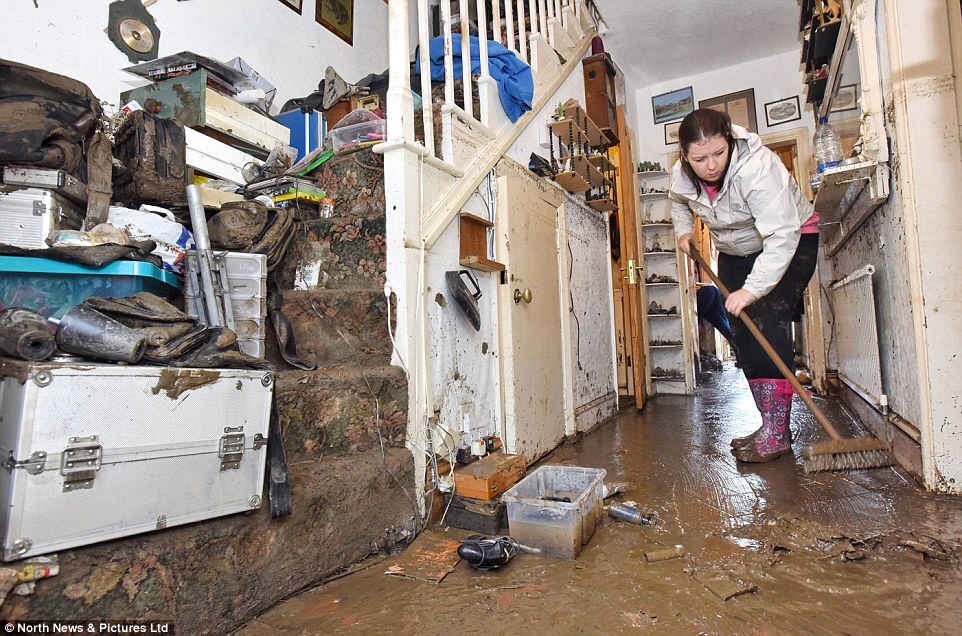
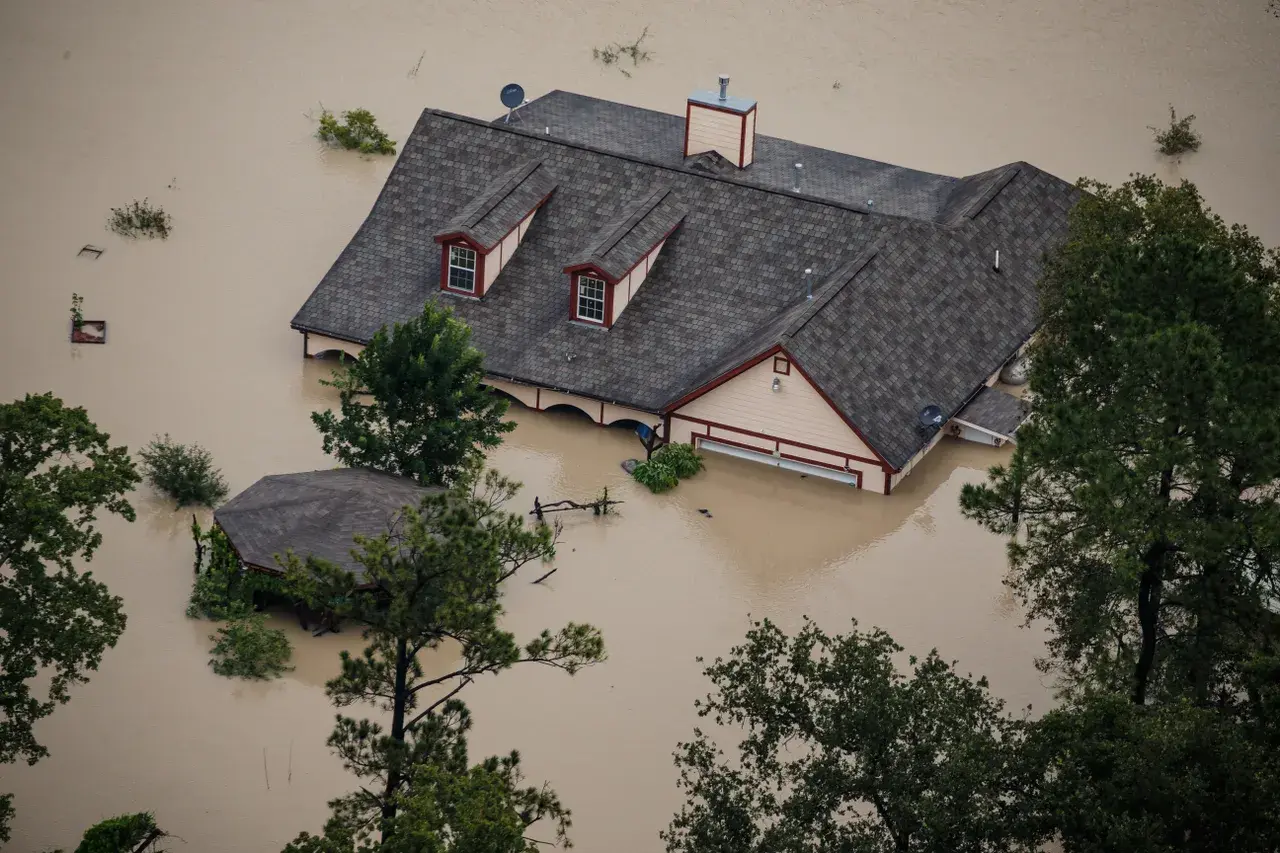
Standard homeowners insurance usually does not cover flood damage from rising water, bayou overflow, storm surge, drainage overflow, or heavy rain entering from outside.
Quick answer
Standard homeowners insurance usually does not cover flood damage from rising water, storm surge, drainage overflow, bayou overflow, or heavy rain entering your home from outside. In Houston and across Texas, flood insurance is usually purchased as a separate policy through the National Flood Insurance Program (NFIP) or a private flood insurance carrier.
Flood insurance may be required if your home is in a high-risk flood zone and you have a mortgage from a lender that requires it. But even if your lender does not require flood insurance, it can still be worth reviewing because flooding can happen outside mapped high-risk flood zones.
NFIP flood insurance and private flood insurance can work differently. Coverage limits, waiting periods, deductibles, contents coverage, replacement cost options, additional living expenses, underwriting, and pricing can vary depending on the program and property.
TWFG Elkhalil Insurance is an independent Houston insurance agency helping Texas homeowners compare flood insurance quotes, review NFIP and private flood options, understand flood zone requirements, and protect their home before the next major rain event or storm.
Flood insurance can help pay for covered damage caused by flooding, rising water, storm surge, drainage overflow, bayou overflow, or heavy rain entering your home from outside. The exact coverage depends on whether your policy is written through the National Flood Insurance Program, also called NFIP, or through a private flood insurance carrier.
The most important thing for Texas homeowners to know is that standard homeowners insurance usually does not cover flood damage. Flood coverage should be reviewed separately so you understand building coverage, contents coverage, deductibles, waiting periods, exclusions, and coverage limits before a storm happens.
 Covered damage to the insured building, foundation elements, walls, flooring, cabinets, and permanently installed fixtures, subject to the building limit
Electrical systems, plumbing systems, HVAC equipment, water heaters, furnaces, and certain built-in appliances
Personal belongings if contents coverage is selected, such as furniture, clothing, electronics, and household items
Debris removal connected to a covered flood loss, depending on the policy terms and coverage limits
Building and contents coverage as separate limits, which should be reviewed carefully before choosing a flood policy
Private flood insurance options that may offer different limits, deductibles, underwriting, or additional coverage options than standard NFIP flood insurance
Covered damage to the insured building, foundation elements, walls, flooring, cabinets, and permanently installed fixtures, subject to the building limit
Electrical systems, plumbing systems, HVAC equipment, water heaters, furnaces, and certain built-in appliances
Personal belongings if contents coverage is selected, such as furniture, clothing, electronics, and household items
Debris removal connected to a covered flood loss, depending on the policy terms and coverage limits
Building and contents coverage as separate limits, which should be reviewed carefully before choosing a flood policy
Private flood insurance options that may offer different limits, deductibles, underwriting, or additional coverage options than standard NFIP flood insurance
 Flood damage that happens before the policy is active or during a required waiting period
Losses above your selected building limit, contents limit, or policy maximum
Additional living expenses or temporary housing under many flood policies, unless included by the specific policy
Vehicles, which are usually handled by comprehensive coverage on an auto insurance policy
Moisture, mold, seepage, or maintenance-related damage not directly caused by a covered flood event
Certain basement property, outdoor property, detached property, decks, patios, fences, landscaping, or pools depending on the policy
Flood damage that happens before the policy is active or during a required waiting period
Losses above your selected building limit, contents limit, or policy maximum
Additional living expenses or temporary housing under many flood policies, unless included by the specific policy
Vehicles, which are usually handled by comprehensive coverage on an auto insurance policy
Moisture, mold, seepage, or maintenance-related damage not directly caused by a covered flood event
Certain basement property, outdoor property, detached property, decks, patios, fences, landscaping, or pools depending on the policy
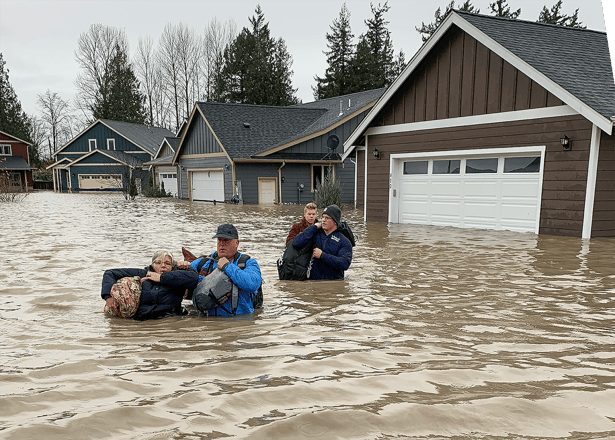
Flood insurance helps fill one of the biggest gaps in a standard homeowners insurance policy. Whether you live in Houston, elsewhere in Texas, or outside a high-risk flood zone, it is worth reviewing how your home would be protected if rising water caused damage.

Most standard home policies do not cover flood damage from rising water. A separate flood policy can help protect the building, contents, or both depending on the coverage you choose.
Flood risk can come from heavy rain, drainage issues, bayous, storm surge, and neighborhood development changes. Even if your lender does not require flood insurance, your property may still have exposure.
Flood insurance may be available through the National Flood Insurance Program or private flood carriers. We help compare available options so you can understand limits, deductibles, waiting periods, and pricing.
Flood coverage should be reviewed alongside condo insurance, rental property insurance, and your broader personal insurance plan.

Find answers to all your flood insurance questions in our free Texas Insurance Learning Center.

From heavy rain to backed-up Houston bayous, we make sure a flood doesn't wash away your savings. Get a Quote, fill out the form, and one of our brokers will reach out.