Is Flood Insurance Required in Texas?
9-minute read · Published July 30, 2026 · Reviewed by Mohammed Elkhalil, Texas License #2427360Quick Answer
Texas does not require every property owner to carry flood insurance. However, flood insurance is generally required when a building is located in a Special Flood Hazard Area and secures a federally regulated, supervised, or insured mortgage. A lender may also require coverage outside a high-risk zone under its own loan guidelines.
Cash buyers and mortgage-free owners are generally not subject to a lender mandate, but they may still face significant uninsured flood exposure.
Key Takeaways
- There is no blanket Texas law requiring flood insurance for every home.
- Federal mortgage rules generally apply in Special Flood Hazard Areas.
- Zones A, AE, and VE commonly trigger the mandatory-purchase rule.
- Zone X usually does not trigger the federal requirement by itself.
- A lender may accept qualifying private flood insurance.
Whether flood insurance is required depends primarily on the property's flood-zone determination, the type of mortgage or federal financial assistance involved, and the lender's insurance requirements.
The rule is different from the practical question of whether flood insurance is financially wise. A property can face meaningful flood exposure even when no law or lender requires a policy.
When Is Flood Insurance Required?
Flood insurance is generally required when all of the following apply:
- The loan is secured by a building or mobile home.
- The property is located in a Special Flood Hazard Area.
- The community participates in the National Flood Insurance Program.
- The loan is made, increased, extended, or renewed by a federally regulated, supervised, or insured lender, or involves qualifying federal financial assistance.
Which Texas Flood Zones Usually Require Insurance?
| Flood Zone | General Risk Classification | Federal Mortgage Requirement |
|---|---|---|
| Zone A | High-risk Special Flood Hazard Area | Generally required |
| Zone AE | High-risk Special Flood Hazard Area with Base Flood Elevation | Generally required |
| Zone VE | High-risk coastal area with wave hazards | Generally required |
| Zone X | Moderate or minimal mapped risk | Generally not federally required based solely on the zone |
Other A- and V-zone designations can also fall within a Special Flood Hazard Area. The lender typically relies on a Standard Flood Hazard Determination to identify whether the secured building is in a mandatory-purchase area.
Is Flood Insurance Required in Zone X?
Flood insurance is generally not federally required solely because a property is in Zone X. However, the lender may still require it based on:
- Its own underwriting guidelines
- Prior flooding or claims
- Additional risk data
- The terms of the mortgage agreement
- A flood-zone dispute or pending map revision
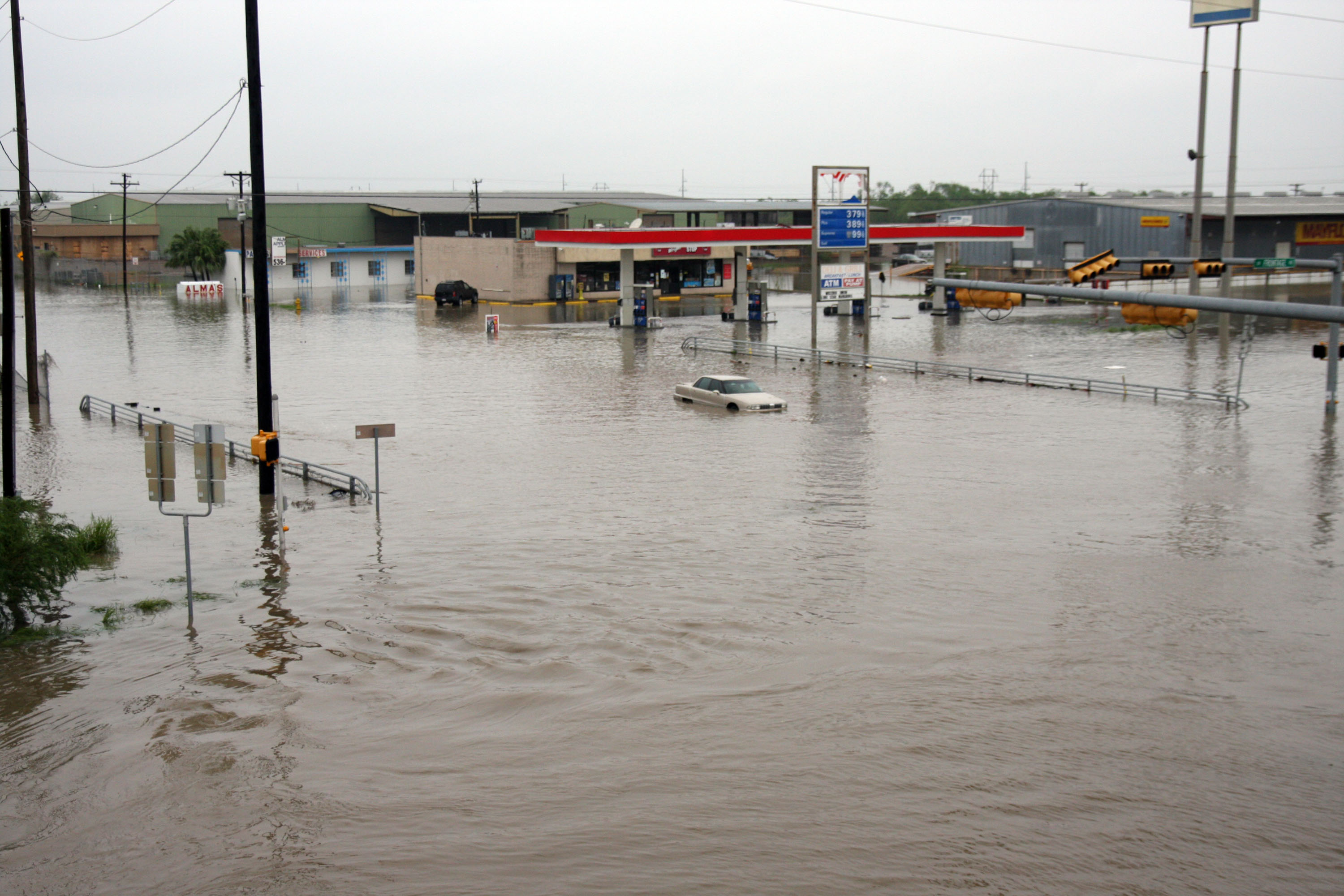
Zone X does not mean the property cannot flood. Heavy rain, overwhelmed drainage systems, bayou overflow, street flooding, and changing development can affect lower-risk mapped areas.
Read more: Zone X Flood Insurance Cost in Texas
Do Cash Buyers Need Flood Insurance?
A cash buyer is generally not subject to a mortgage lender's flood-insurance requirement because there is no lender protecting a secured loan.
The buyer may still choose coverage to protect:
- The building
- Personal belongings
- Landlord-owned contents
- Investment-property equity
- Temporary housing exposure under an eligible private policy
Do Mortgage-Free Homeowners Need Flood Insurance?
A homeowner who has paid off the mortgage is generally no longer subject to the former lender's requirement. The policy should not be canceled automatically without evaluating the property's flood exposure and the owner's ability to absorb a major loss.
Important
Homeowners insurance generally does not cover rising water, storm surge, or surface flooding. Removing lender-required flood insurance may leave the home uninsured for flood damage.
How Much Flood Insurance Can a Lender Require?
The required amount is governed by applicable federal rules and the lender's loan requirements. In general, the required building limit is tied to the lesser of applicable coverage limits, the outstanding principal balance, or the insurable value of the building, subject to regulatory interpretation and lender procedures.
The lender may also impose requirements involving:
- Maximum deductibles
- Continuous coverage
- Mortgagee wording
- Proof of renewal
- Escrow of premiums
- Private-policy compliance
The lender-required amount may not equal the amount needed to repair or rebuild the home.
Does a Lender Require Contents Coverage?
For a typical residential mortgage secured only by the building, a lender's requirement generally focuses on building coverage. That does not mean the homeowner's belongings are protected.
Contents coverage must usually be selected separately to protect eligible furniture, clothing, electronics, appliances, and other personal property.
Can Private Flood Insurance Satisfy the Requirement?
Yes, a regulated lender must accept a private flood policy that meets the applicable regulatory definition and mandatory-purchase requirements. Lenders may also accept certain policies under discretionary acceptance rules.
Before replacing NFIP coverage, confirm:
- The lender has approved the private policy
- The limit is sufficient
- The deductible is acceptable
- The mortgagee information is correct
- The policy effective date avoids a lapse
- The policy meets renewal and notice requirements
Read more: NFIP vs. Private Flood Insurance in Texas
What Happens If You Do Not Maintain Required Coverage?
If flood insurance is required and the borrower does not maintain adequate coverage, the lender may purchase force-placed flood insurance and charge the borrower for it.
Force-placed coverage is intended to protect the lender's interest. It may:
- Cost more than voluntarily purchased coverage
- Provide limited protection for the borrower's belongings
- Use limits based primarily on the lender's requirements
- Be added to the loan balance or escrow account
What If the Flood Zone Changes?
FEMA periodically updates flood maps. A property that was previously outside a high-risk area may be newly mapped into a Special Flood Hazard Area.
When that happens:
- The lender may begin requiring flood insurance
- The property may qualify for a Newly Mapped discount under NFIP rules
- The owner may review an elevation certificate or map-change process
- Coverage should be arranged before any applicable deadline
Can You Challenge a Flood-Zone Determination?
A property owner may have options when the mapped flood-zone designation appears inconsistent with the building's actual elevation or location. Depending on the facts, these may include:
- A Letter of Map Amendment
- A Letter of Map Revision Based on Fill
- A FEMA determination review
- An elevation certificate or survey
Only an official map-change or lender determination can remove the mandatory requirement. An insurance agent cannot change the FEMA map or override the lender.
Is Flood Insurance Required for Renters?
Renters are generally not legally required by Texas to buy flood insurance. A landlord may require renters coverage by contract, but the landlord's building policy does not protect the tenant's belongings.
A renter can purchase contents-only flood insurance through NFIP or available private markets.
Is Flood Insurance Required for Condos?
A condo association, unit owner, or lender may have separate flood-insurance obligations. Requirements can depend on:
- Whether the building is in a Special Flood Hazard Area
- The association's master flood policy
- The unit owner's mortgage
- The amount of coverage carried by the association
- The lender's review of the Residential Condominium Building Association Policy
Is Flood Insurance Required for Rental Properties?
A landlord with a financed rental property in a Special Flood Hazard Area may be required to maintain building coverage. A cash-owned rental property is generally not subject to a lender requirement, but the owner still faces uninsured building and rental-income exposure.
Should You Buy Flood Insurance When It Is Not Required?
Consider voluntary flood coverage when:
- The property is in Zone X but near a bayou, creek, reservoir, coast, or drainage channel
- The home has flooded before
- The neighborhood has experienced street flooding
- The owner could not comfortably fund major repairs
- The homeowners policy excludes flood, as most do
- The property's market or rebuilding value is significant
Questions to Ask Your Lender or Agent
- What flood zone did the lender's determination identify?
- Why is flood insurance required?
- What building limit is required?
- What is the maximum acceptable deductible?
- Will the lender accept private flood insurance?
- Does the policy need to be escrowed?
- Is contents coverage included?
- Has the flood map changed recently?
- Could an elevation certificate or map amendment be relevant?
- What happens if the policy lapses?
Need flood insurance for a Texas mortgage?
TWFG Elkhalil Insurance can compare NFIP and available private flood options, review lender limits and deductibles, and help coordinate proof of coverage.
Request a Flood Insurance QuoteFrequently Asked Questions
Is flood insurance required by law in Texas?
Texas does not require every property owner to carry flood insurance. Federal mortgage rules and lender requirements may make it mandatory for certain financed properties.
What flood zones require flood insurance?
Flood insurance is generally required for qualifying federally regulated or insured mortgages on buildings in Special Flood Hazard Areas, including many A, AE, and VE zones.
Is flood insurance required in Zone X?
It is generally not federally required solely because of a Zone X designation, but a lender may still require it under its own guidelines.
Do I need flood insurance if I paid cash for my home?
A cash buyer generally has no lender mandate, but may still purchase flood insurance to protect the building and belongings.
Can private flood insurance satisfy my mortgage lender?
Yes, when the private policy meets applicable federal requirements and the lender's own insurance standards.
What happens if required flood insurance lapses?
The lender may force-place flood insurance and charge the borrower, potentially at a higher cost and with coverage focused on the lender's interest.
Can my lender require flood insurance outside a high-risk zone?
Yes. A lender may impose requirements broader than the federal mandatory-purchase rule under the loan agreement or its underwriting guidelines.
Does homeowners insurance satisfy a flood requirement?
Usually not. Most homeowners policies exclude rising water and surface flooding, so a separate qualifying flood policy is generally required.
Official Sources
- National Flood Insurance Program: Eligibility and mortgage requirements
- National Flood Insurance Program: Mandatory purchase requirements
- National Flood Insurance Program: Flood zones
- FDIC: Flood Disaster Protection Act and private flood acceptance
- Texas Department of Insurance: Flood insurance
Published July 30, 2026. Flood maps, federal lending rules, lender requirements, policy forms, limits, deductibles, underwriting, and availability can change. This article is educational and is not legal or lending advice.