Houston Flood Insurance Cost
9-minute read · Published July 31, 2026 · Reviewed by Mohammed Elkhalil, Texas License #2427360Quick Answer
Houston flood insurance may cost roughly $400 to $900 per year for many lower-risk Zone X homes, $800 to $3,000 or more in Zones A and AE, and $2,000 to $6,000 or more for coastal or wave-exposed properties. Actual premiums depend on the individual property, elevation, first-floor height, distance to bayous or other water sources, replacement cost, prior losses, coverage limits, deductibles, and insurer.
These are broad educational planning ranges—not Houston averages or guaranteed quotes. Two nearby homes can receive very different premiums.
Key Takeaways
- Houston flood insurance pricing is property-specific.
- Flood zone matters, but it does not determine the entire premium.
- Bayou proximity, drainage, elevation, and rebuilding cost can materially affect price.
- Homes outside high-risk zones can still flood.
- Compare NFIP and private flood options using equal limits and deductibles.
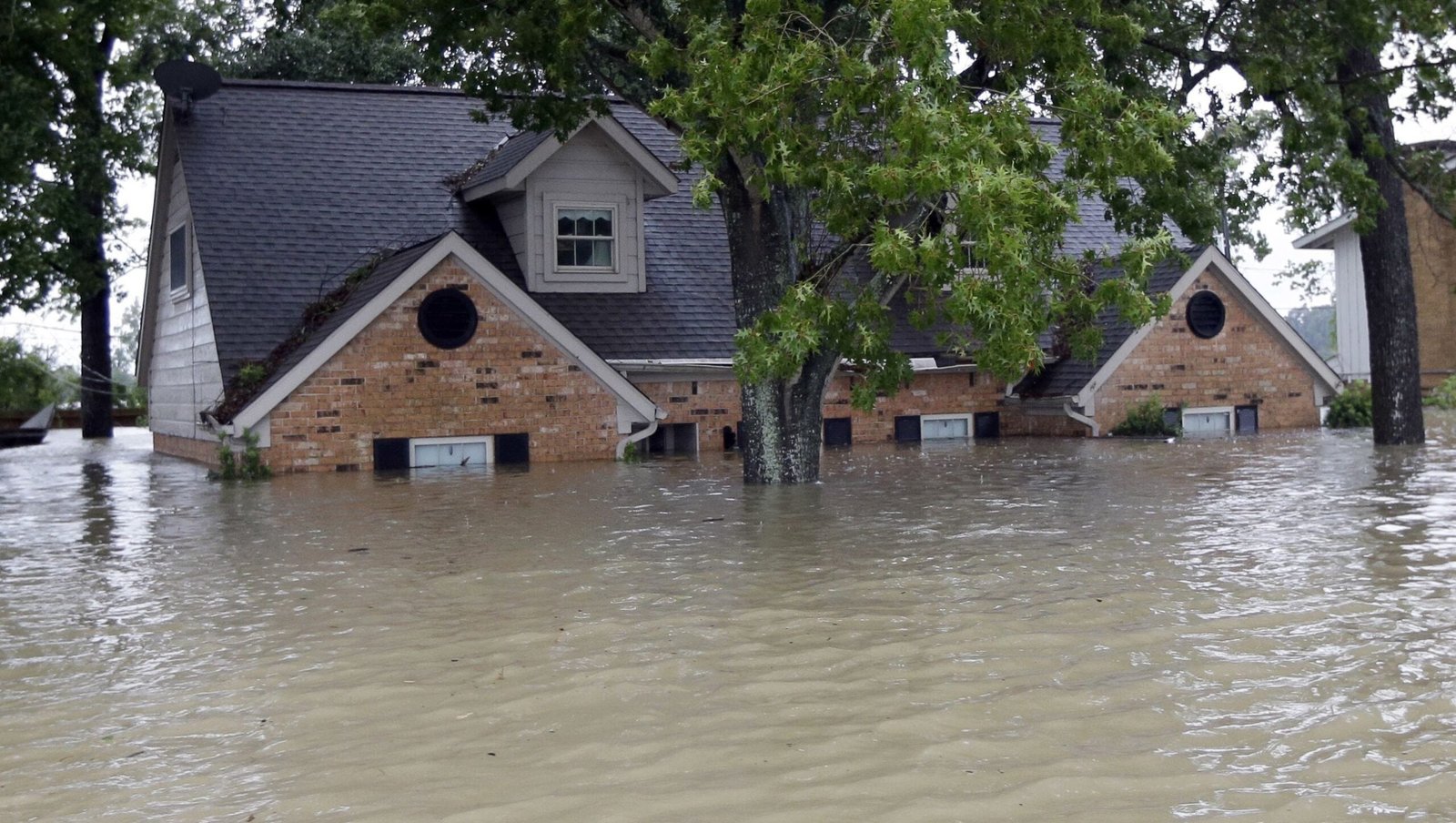
Houston's flat terrain, bayou network, intense rainfall, rapid development, and proximity to the Gulf make flood insurance an important consideration across the metropolitan area.
A home does not need to be in Zone A or AE to experience flood damage. The Texas Department of Insurance notes that more than half of homes flooded by Hurricane Harvey were outside designated high-risk flood zones.
Estimated Houston Flood Insurance Cost by Flood Zone
| Flood Zone | General Risk Level | Broad Annual Planning Range |
|---|---|---|
| Zone X | Moderate or minimal mapped risk | $400–$900 |
| Zone A | High-risk flood area without published BFE on the map | $800–$3,000+ |
| Zone AE | High-risk flood area with published Base Flood Elevation | $800–$3,000+ |
| Zone VE or coastal high hazard | High-risk coastal area with wave exposure | $2,000–$6,000+ |
Actual premiums may be lower or significantly higher. Flood zone is only one rating factor.
Why Houston Flood Insurance Costs Vary
NFIP and private insurers may consider:
- Distance to bayous, rivers, reservoirs, lakes, coastlines, and drainage channels
- Ground elevation
- First-floor height
- Foundation type
- Number of floors
- Building materials
- Replacement cost
- Flood frequency and expected flood depth
- Prior flood losses
- Building and contents limits
- Deductibles
- Community Rating System discounts
FloodSmart explains that NFIP pricing reflects where the property is built, how it is built, and what it would cost to replace.
Houston Flood Zones and Pricing
| Zone | What It Generally Means | Insurance Consideration |
|---|---|---|
| Zone X | Outside FEMA's highest-risk Special Flood Hazard Area | Often lower-priced, but flooding remains possible |
| Zone A | High-risk 1%-annual-chance flood area | Mortgage requirement generally applies to qualifying loans |
| Zone AE | Detailed high-risk area with BFE shown | Elevation and first-floor height are especially important |
| Zone VE | Coastal high-hazard area with wave action | Often higher-priced with limited private-market options |
Does Zone X Mean Low Cost and No Risk?
Zone X often produces lower premiums than high-risk zones, but Zone X does not mean zero risk. Houston properties may flood because of:
- Extreme rainfall
- Overwhelmed storm drains
- Street flooding
- Bayou overflow
- Reservoir releases
- New development that changes drainage
- Lot and street elevation differences
- Flood risks not fully reflected on an older map
Read more: Zone X Flood Insurance Cost in Texas
Bayou and Drainage Exposure
Distance from a mapped bayou is important, but it is not the only local consideration. A home farther from a bayou may still face street or drainage flooding, while a nearby elevated property may have different expected flood depth.
Houston-area underwriting may consider proximity to:
- Buffalo Bayou
- Brays Bayou
- White Oak Bayou
- Greens Bayou
- Sims Bayou
- Clear Creek
- Addicks and Barker reservoirs
- Other tributaries and drainage channels
The presence of a nearby waterway does not determine a premium by itself. Property-level elevation and construction still matter.
NFIP vs. Private Flood Insurance in Houston
| Feature | NFIP | Private Flood |
|---|---|---|
| Residential building limit | Generally up to $250,000 | May offer higher limits |
| Residential contents limit | Generally up to $100,000 | May offer higher limits |
| Additional living expense | Not included in standard NFIP dwelling policy | May be included or optional |
| Waiting period | Generally 30 days, with exceptions | Varies by carrier |
| Prior-loss properties | Generally broader availability under NFIP rules | May be restricted or declined |
| Pricing | Standardized NFIP methodology | Carrier-specific underwriting |
Houston homeowners should compare both markets when private coverage is available. A private policy may offer better pricing or broader coverage, but it may also include stricter underwriting or renewal terms.
Houston Flood Insurance Cost Examples
| Example Property | Broad Annual Planning Range |
|---|---|
| Zone X home with moderate limits and no prior losses | $400–$900 |
| Zone AE home elevated near or above BFE | $900–$2,000+ |
| Zone AE home with low first floor or prior flooding | $2,000–$4,000+ |
| High-value Houston home needing limits above NFIP maximums | $1,500–$5,000+ |
These examples are not quotes and may not reflect the price for any specific property.
Neighborhood-Level Differences
Flood exposure can vary within the same Houston neighborhood and even on the same street. Differences may result from:
- Lot elevation
- Slab height
- Distance to a bayou or drainage channel
- Street grading
- Nearby detention and drainage infrastructure
- Prior flooding
- Building age and renovations
Existing neighborhood guides:
- Flood Insurance in Memorial
- Flood Insurance in Bellaire
- Flood Insurance in River Oaks
- Flood Insurance in West University
- Flood Insurance in Rice Village and Rice Military
Is Flood Insurance Required in Houston?
Flood insurance is generally required when a building in a Special Flood Hazard Area secures a federally regulated, supervised, or insured mortgage. Zones A, AE, and VE commonly trigger the requirement.
Zone X usually does not trigger the federal requirement by itself, although a lender may still require coverage.
How Much Coverage Should a Houston Homeowner Buy?
Consider:
- The building's rebuilding exposure
- The value of personal belongings
- The lender's required limit
- NFIP maximum limits
- Whether private or excess flood coverage is needed
- Whether additional living expense coverage is important
- The deductible amount you could afford after a loss
How to Lower Houston Flood Insurance Cost
- Compare NFIP and private flood options.
- Verify the property's construction and elevation information.
- Review whether an elevation certificate is useful.
- Compare equal building and contents limits.
- Select deductibles that remain affordable after a loss.
- Elevate utilities and mechanical systems where practical.
- Document flood mitigation improvements.
- Review available Community Rating System discounts.
- Re-shop after renovations, map changes, or elevation work.
Important
Do not wait for a named storm or heavy-rain forecast. NFIP coverage generally has a 30-day waiting period, with specific exceptions.
Information Needed for a Houston Flood Quote
- Property address
- Occupancy type
- Year built
- Foundation type
- Number of floors
- First-floor height or elevation information
- Building replacement cost
- Requested building and contents limits
- Deductible preference
- Prior flood claims
- Mortgage lender requirements
- Existing elevation certificate, when available
Compare Houston flood insurance prices
TWFG Elkhalil Insurance can compare NFIP and available private flood options for Houston-area properties, including limits, deductibles, waiting periods, lender requirements, and high-value coverage.
Request a Flood Insurance QuoteFrequently Asked Questions
How much does flood insurance cost in Houston?
Many lower-risk Houston homes may cost roughly $400 to $900 per year, while higher-risk, coastal, prior-loss, or high-value properties may cost $1,000 to $6,000 or more.
Is flood insurance expensive in Houston?
It depends on the individual property. Zone X homes may be relatively affordable, while low-elevation, prior-loss, bayou-adjacent, or coastal properties may cost substantially more.
Does every Houston homeowner need flood insurance?
Flood insurance is not legally required for every homeowner, but Houston properties can flood inside and outside mapped high-risk zones.
Is flood insurance required in Houston Zone X?
It is generally not federally required solely because of a Zone X designation, but a mortgage lender may still require it.
Why do two nearby Houston homes have different flood premiums?
Differences in elevation, first-floor height, foundation, distance to water, replacement cost, prior claims, limits, and deductibles can produce different premiums.
Is private flood insurance cheaper in Houston?
It may be cheaper for some properties and more expensive or unavailable for others. Compare private and NFIP options using similar coverage.
Does homeowners insurance cover Houston flooding?
Most homeowners policies do not cover rising water, surface flooding, or storm surge. Separate flood insurance is generally needed.
How long is the flood insurance waiting period?
NFIP coverage generally has a 30-day waiting period, with specific exceptions. Private-policy waiting periods vary by carrier.
Official Sources
- National Flood Insurance Program: Pricing factors and buying a policy
- National Flood Insurance Program: Property flood-risk factors
- National Flood Insurance Program: Flood-zone definitions
- National Flood Insurance Program: Current pricing approach
- Texas Department of Insurance: Flood insurance guidance
Published July 31, 2026. Flood maps, pricing, underwriting, policy forms, limits, deductibles, waiting periods, lender requirements, and availability can change. Cost ranges are broad educational estimates and are not guaranteed quotes.